Is Love Canal Still Toxic? Lessons Learned
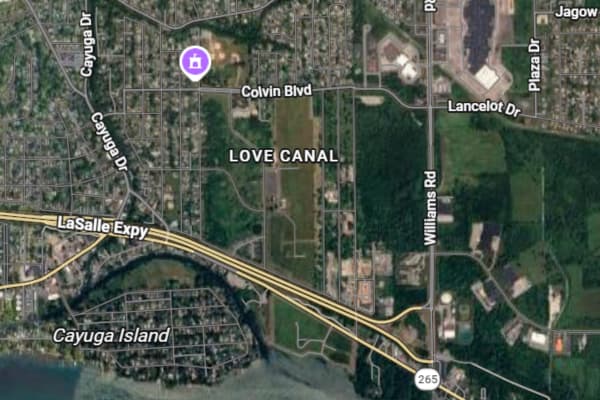
Love Canal, a community located on the eastern edge of Niagara Falls, New York, was the site of one of the most infamous environmental disasters in United States history. A combination of irresponsible waste management and careless urban planning created a health crisis that impacted hundreds of lives. So, is Love Canal still toxic? With Sun Environmental Corp., learn more about this incident and discover how you can help prevent future disasters with environmentally conscious waste disposal.
Who Built Love Canal?
Love Canal began in 1890 as a project by William T. Love. He planned to create a canal between the upper and lower Niagara Rivers, near Buffalo, NY, to link Lake Erie with Lake Ontario. This canal would serve as a shipping lane between the lakes, while simultaneously generating cheap energy to fuel a model planned community.
However, long-distance electricity transmissions rendered the canal project obsolete before it was ever completed. At the same time, economic fluctuations destroyed Love Canal’s financial backing. Development ceased after only one mile was dug.
Creating a Disaster
In the 1920s, the partially finished canal was turned into a municipal dump site. Two decades later, it was purchased by Hooker Chemical Company for industrial chemical disposal. Hooker Chemical Company dumped over 19,800 metric tons of 248 different chemicals into the canal, including toxic byproducts from dye, perfume, and solvent manufacturing.
Love Canal remained a dump site until 1953, when the Hooker Chemical Company was threatened with eminent domain (the government’s ability to seize private property for public use). The site was then capped with soil and sold back to the city for one dollar. Following the purchase, about 100 homes and a school were built. Construction and excavation broke through the clay cap in several places, allowing chemicals to trickle into the surrounding soil and groundwater.
The consequences of poor management were discovered in 1978 after a year of record rainfall. The enormous quantities of precipitation caused shifts in the soil, allowing industrial chemicals to rise to the surface. Noxious puddles, dying plants, and even corroded drums appeared in basements, backyards, and school grounds. Residents reported a persistent chemical stench and burns on their children’s hands when returning from school or play.
The rainfall brought the disaster to the attention of health and environmental officials, but it was not the first consequence. Years of invisible chemical leaking profoundly affected the community’s health. Further investigation revealed serious issues, including:
- High rates of miscarriages
- Multiple cases of birth defects
- Seizures
- Learning disabilities
- Stunted growth in children
- High white blood cell counts, a precursor to leukemia
- High rates of chromosome damage
Evacuation and Response
In response to the health crisis, the Love Canal area was declared a state of emergency. For the first time ever, federal emergency funds were used for anything other than a natural disaster. The Comprehensive Environmental Response, Compensation, and Liability Act was also established. Also known as Superfund, the Act was created to remedy hazardous sites like Love Canal.
Superfund efforts relocated and reimbursed more than 900 families, and the homes and school were demolished. The most toxic area was reburied under thick plastic, clay, and topsoil to contain the waste, and a barbed wire fence was installed to secure the area. Not all the homes were buried, however. A section of the community, which was deemed to be safe, was renovated and rebranded as Black Creek Village. Homes were then resold, often to buyers who were not informed of the site’s history.
Is Love Canal Still Toxic?
As of 1999, Love Canal has been declared safe. Portions of the site are permanently off-limits, however, and residents of Black Creek Village continue to report rashes, cysts, and miscarriages. In addition, much of the waste from remediation was moved to a nearby landfill in Wheatfield, where residents have reported foul smells, discolored water, and severe health effects such as cancer and lupus. The Wheatfield landfill has since been declared a second Superfund site (a designation given to a contaminated area that requires long-term cleanup and remediation).
Environmental remediation has addressed the worst of the Love Canal crisis. Its impact cannot be undone, however, and the waste may continue to affect lives for years to come. This devastating incident was the totally avoidable result of irresponsible waste and land management, serving as a lesson for companies and municipalities across the nation.
Improve Your Waste Management Practices with Sun Environmental Corp.
The Love Creek disaster demonstrates the importance of responsible waste disposal. Prevent crises and protect lives by improving your waste management practices. Sun Environmental Corp. offers consulting and disposal services across Central, Western, and Northern NY, as well as the Southern Tier and NY Capital Region, with an emphasis on safety and environmentally sound practice. Contact us today for more information.